

Our Curriculum
At Phoenix Childcare, we provide a nurturing, play-based environment where each child is at the centre of their own learning.
Guided by Aistear and Síolta, children learn through hands-on play, exploration, and meaningful experiences that support their overall development.
We aim to create a warm, inclusive environment where every child feels valued, confident, and excited to learn. Our experiences reflect children’s interests, families, and community, supporting their social, emotional, and intellectual growth.
We use a structured but flexible daily routine that encourages play, creativity, and independence. Children are supported to learn at their own pace, building confidence and skills that prepare them for lifelong learning.

Monthly Learning Themes – Subject to change depending on children’s needs and interests.
September – Settling & Identity
We begin with themes such as My Emotions, My Family, My Home, and My Culture, supporting children as they settle in and develop a sense of belonging.
October – Autumn & Safety
Children explore Autumn, Weather, and seasonal events like Halloween, alongside important learning such as Fire Safety.
November – Health & Wellbeing
We focus on Healthy Food, Healthy Bodies, Dental Hygiene, and Emotions, helping children understand self-care and wellbeing.
December – Winter & Early Concepts
Themes include Winter Season, Weather, and early skills such as Colour Recognition and Sorting, building strong foundations for learning.
January – Discovery & Science
Children explore Science, Space, Recycling, and Insects, encouraging curiosity and early STEM learning.
February – Early Skills Development
We introduce core learning areas such as Literacy, Numeracy, alongside Spring themes and sensory exploration through Textures.
March – Community Awareness
Themes such as Transport, Road Safety, and Ireland help children understand their environment and community.
April – Animals & The World
Children explore Wild, Farm, and Sea Animals, learning about different environments and where animals live.
May – Community & Summer
Focus areas include Our Community, Jobs, and Summer, helping children build real-world awareness.
June – Transitions & Interests
We support School Transitions, alongside engaging topics like Dinosaurs and important learning such as Sun Safety.
Our curriculum is designed to:
-
Build confidence, independence, and social skills
-
Support early literacy and numeracy
-
Encourage curiosity, creativity, and problem-solving
-
Prepare children for a smooth transition to primary school
Learning is always delivered through play, exploration, and meaningful activities, ensuring children are engaged and enjoying their experience every day.


At Phoenix Childcare, building strong, open relationships with our families is at the heart of everything we do. To support this, we use a secure communication platform called Child Paths.
Child Paths allows parents to stay connected to their child’s day, with regular updates that give a real insight into their experiences, interests, and development. This helps families feel involved and informed, while also deepening their understanding of their child’s unique strengths and milestones.
For our educators, Child Paths simplifies day-to-day administration by reducing paperwork. This means more time spent where it matters most, engaging with the children, supporting their learning, and creating meaningful experiences.
Curriculum FAQs
How is the curriculum planned? Our curriculum is planned using themes to spark interest, while remaining flexible to follow children’s interests and emerging learning.
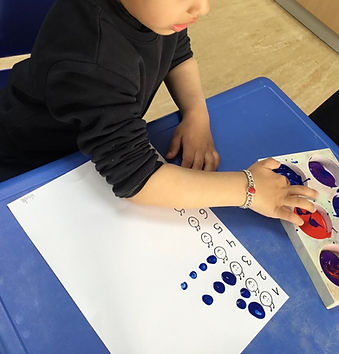
Do children complete worksheets? Learning is play-based and hands-on. Activities include play, exploration, art, storytelling, and group experiences rather than formal worksheets.
Do you teach children to write letters and numbers? At this stage, we do not formally teach children to write letters and numbers in a structured or worksheet-based way. Instead, we focus on building the foundations needed for writing, including: - Fine motor skills (e.g. holding pencils, mark making, drawing) - Hand strength and coordination - Early mark-making and pre-writing patterns - Recognition of letters, sounds, shapes, and numbers through play Children are encouraged to explore writing naturally through activities such as drawing, painting, name recognition, and mark-making in meaningful contexts. This approach ensures that children develop the skills, confidence, and readiness for writing at their own pace, in line with Aistear and early years best practice.
How do you support school readiness? We build school readiness through: Independence skills (toileting, eating, dressing) Communication and language development Early literacy and numeracy Social skills and confidence
Can the curriculum change? Yes, while we follow a monthly plan, activities may change based on children’s interests, needs, or seasonal opportunities.
How do you know my child is learning? We observe, document, and support each child’s development, sharing progress with parents regularly.
How does this link to Aistear? All themes and activities are guided by Aistear’s four themes: - Well-being - Identity & Belonging - Communicating - Exploring & Thinking